A brighter pollution free future for Krui?
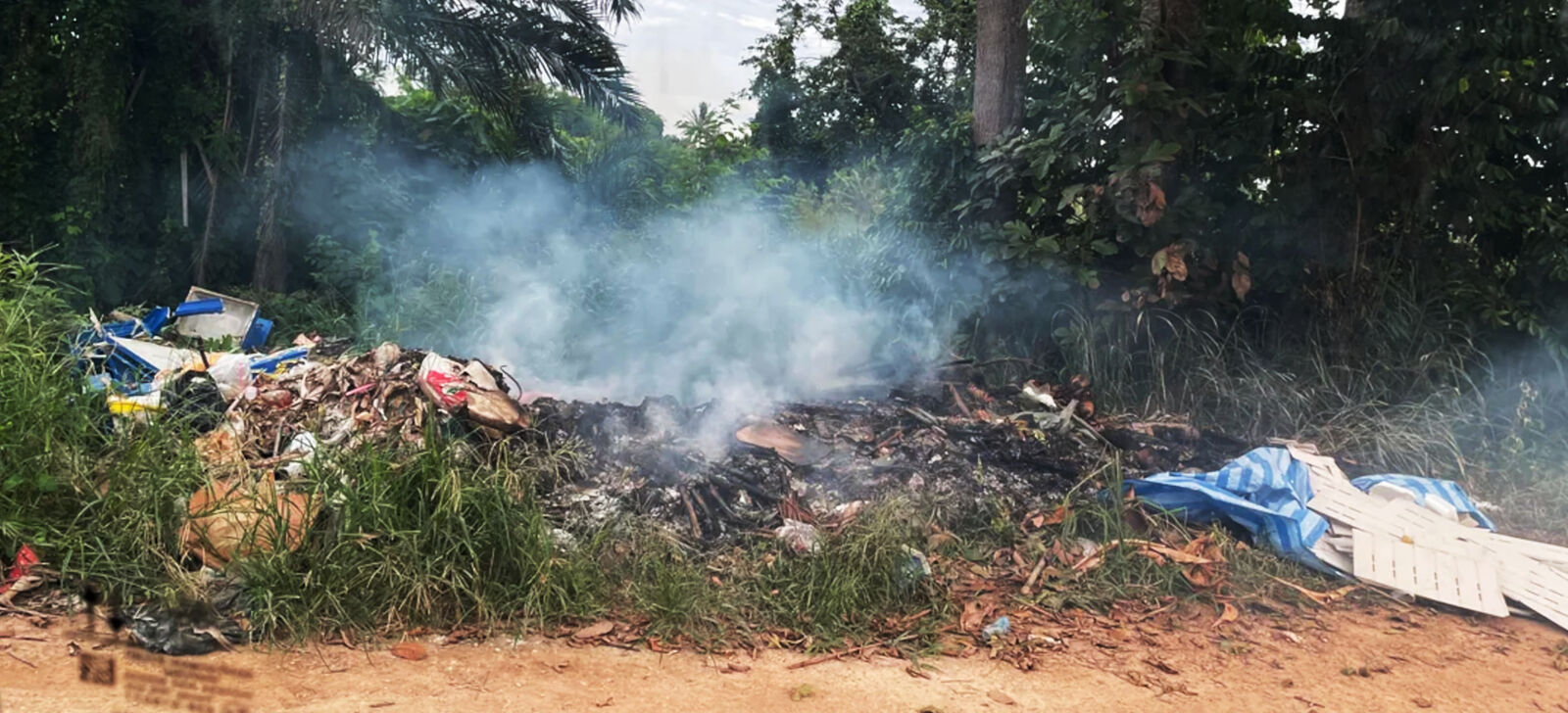
As a huge plume of black smoke poured over the wall from the surf camp near Ujung Bocur parking area I found myself praying for onshore winds. Why would a successful business run by educated people want to subject the public and their guests to choking clouds of burning plastic.
The first thing that enters your mind is that there's no waste management or facilities in the area. However on further investigation we found that waste pick up and disposal costs just AUD $5 a month (the price of 1 Bintang beer). A truly mind blowing revelation.
Burn baby burn
5pm at Biha on the W. Trans Sumatera Hwy heading to Tanjung Setia. The sun is blood red, the windows wound up tight as outside the air is thick with toxic smoke. In the 30km since hitting the coast at Ngambur 127 piles of burning plastic were spewing toxic cancer-causing dioxins and furans, cyanic acids and heavy metals into the air. That's a pile every 23 mtrs! In a world where the dangers of burning plastic is common knowlege how can such a situation exist?
Traditional waste management meets toxic synthetics
For generations accross Indonesia burning was viewed as a clean and effective way to manage organic waste. In villages, towns and cities the practice was a daily activity of responsible householders. Driving through a cloud of toxic smoke on your way to the beach you'll experience firsthand the habit is alive and well in Pesisir Barat but the nature of the waste has drastically changed.
A national problem.
With a population of only 288 million Indonesia is the second-largest plastic polluter in the world after China. Indonesia produces 9.2 million tonnes of plastic waste a year, 5 million tons of this remain uncollected or mismanaged. 1.29 million tonnes ends up in the world's oceans and 10 billion plastic carry bags are released into the local environment each year.
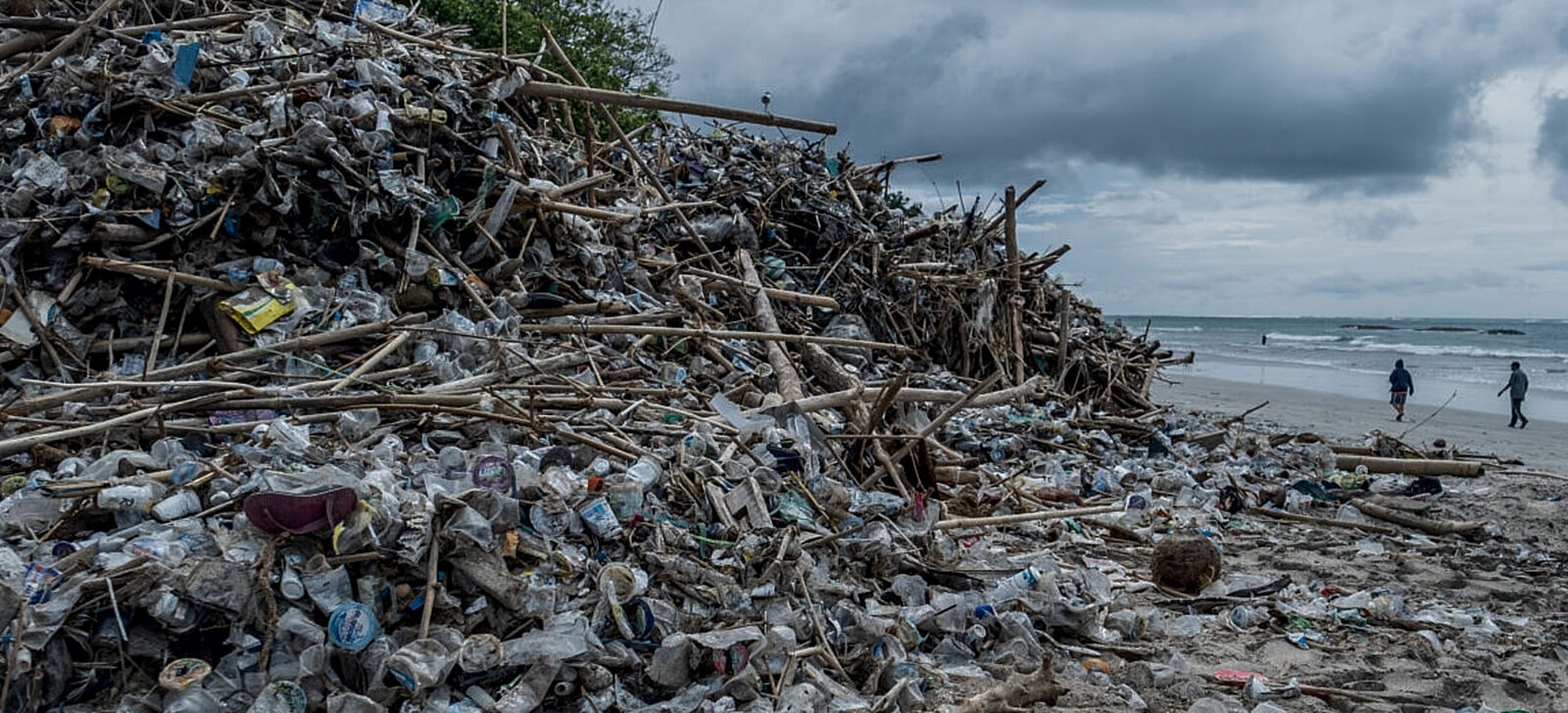

The Indonesian government has introduced a number of environmental action policies including the Law on Waste Management and National Policy & Strategy on Management of Household Waste and Household-like Waste. However the effectivness of this legislation is reflected in the fact that plastic waste has increased from 6.5 million tons in 2017 to 9.2 million tons in 2026.
Open burning remains the largest single pathway of plastic waste into the greater environment at 5 million tons a year.
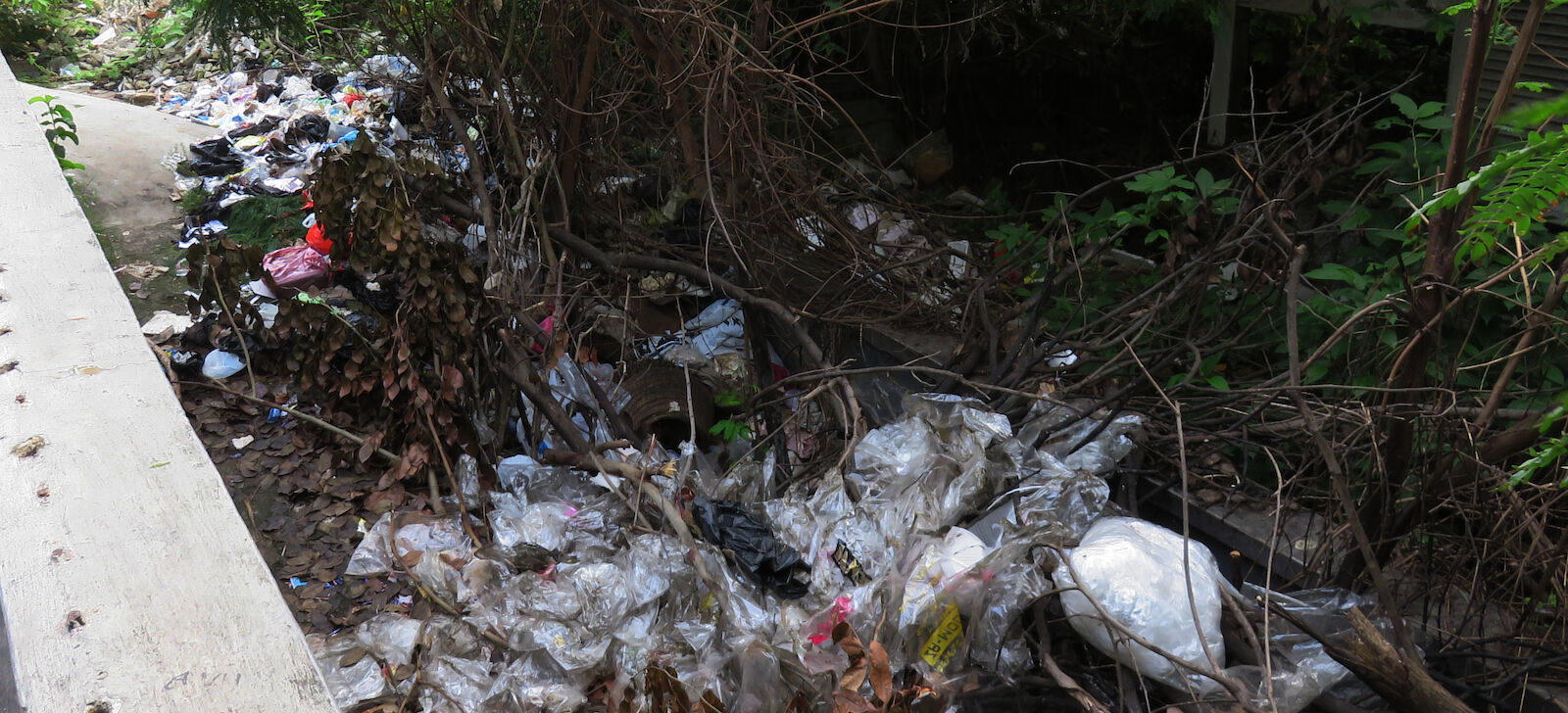
Think globally, act locally
Due to restricted financial resources for initiatives in rural regions, ensuring a toxic waste free environment necessitates the participation of the local community.
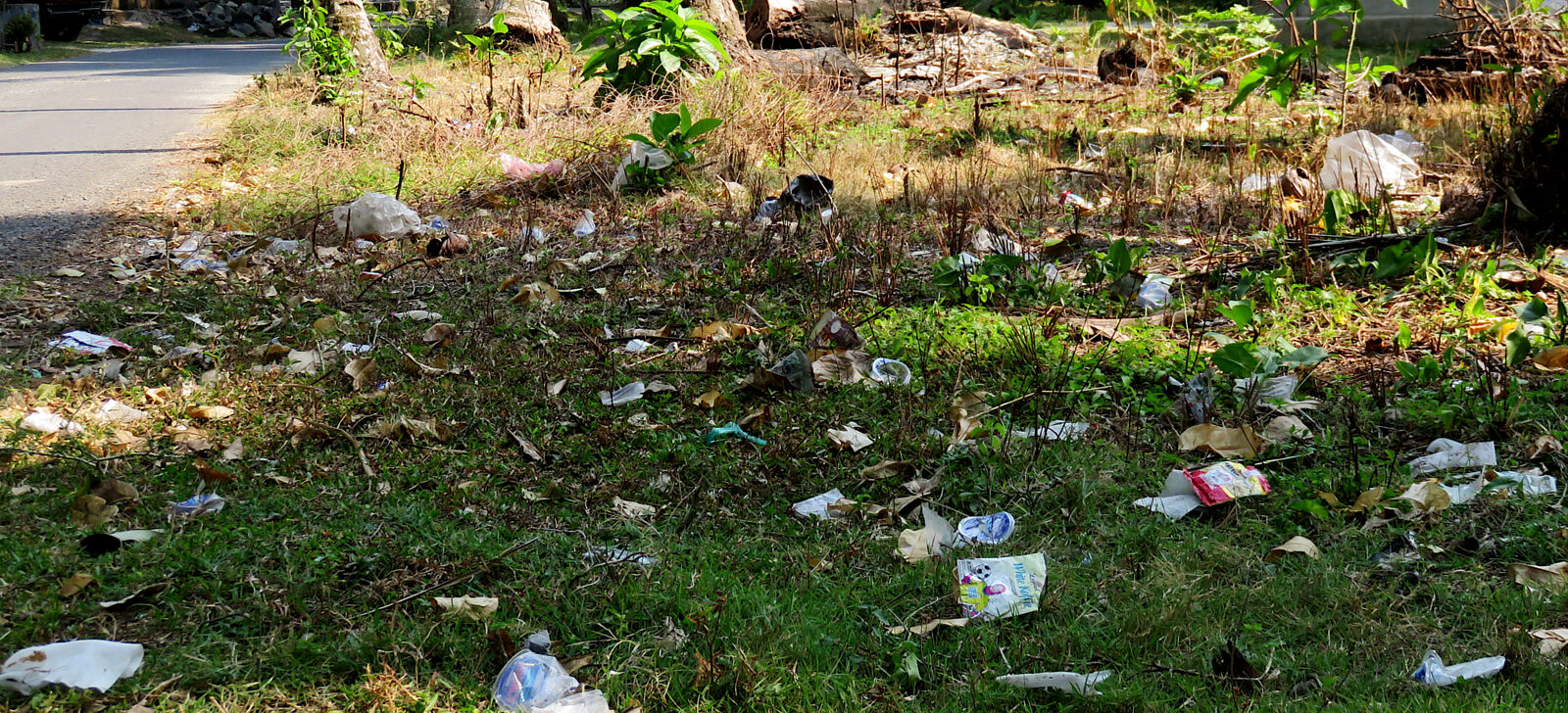
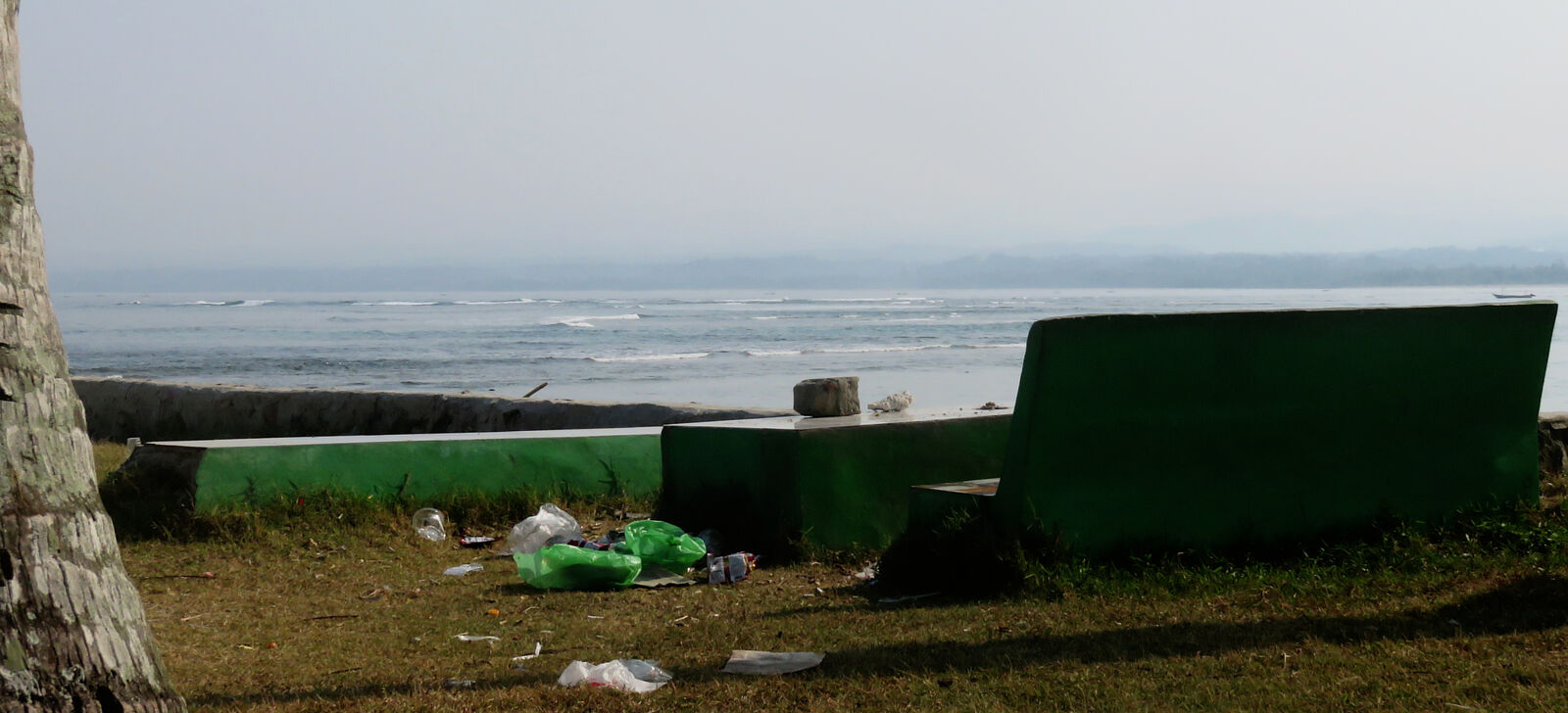
Unfortunately while driving around the Krui region it looks like a sizable portion of the local populace does not prioritize the issue.

At this point it's not too late for the Krui area to provide something unique for visiting tourist and surfers. A clean toxic free environment for all to enjoy and be proud of.
This article is dedicated to the late Zane Thomas Redman, the work of Krui kecahko and those that voiced their concern but were threatened by individuals who would rather see Krui buried in a pile of garbage than work towards keeping their home town clean.